

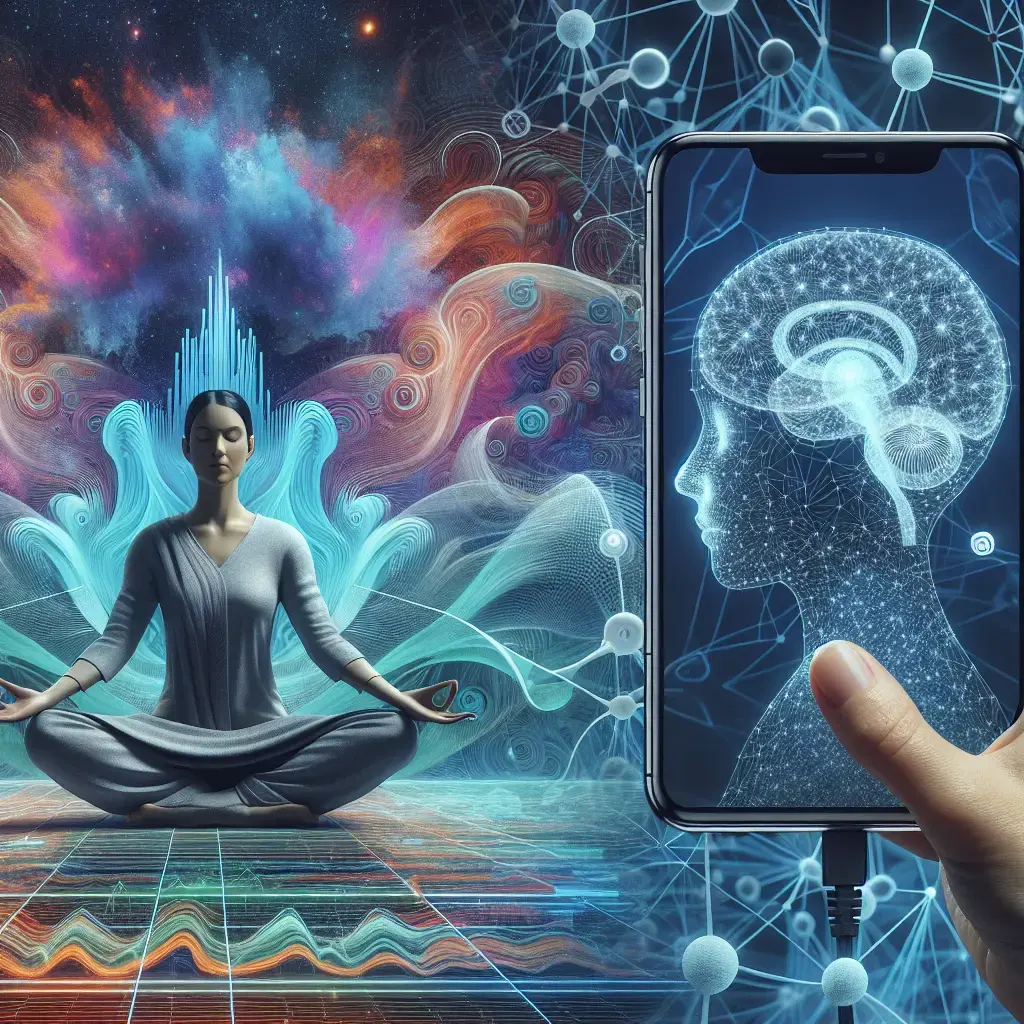
In today's fast-paced digital age, the quest for mental tranquility often leads us to the promising world of mindfulness apps. These digital mindfulness tools harness the science of mindfulness to offer a myriad of benefits, from stress reduction to enhanced brain health. Understanding how mindfulness apps work becomes essential for users seeking genuine benefits, especially as the field of mindfulness app research continues to burgeon.
Mindfulness meditation apps, often featuring guided meditation sessions, transform daily routines into moments of peace. Their features are meticulously designed to enhance the mindfulness app user experience, engaging diverse audiences, from professionals to mental health enthusiasts. Moreover, the cognitive benefits of mindfulness apps are increasingly evident through numerous studies, highlighting their role in supporting mental health and cognitive function.
The psychology of mindfulness apps is grounded in their ability to facilitate a state of mindful awareness through guided meditation sessions and stress reduction techniques. A key component of their effectiveness lies in their design, which often includes features such as personalized meditation courses and audio-based meditation guides. These elements cater to diverse user preferences, enhancing the user experience and making these tools accessible to a wide audience.
Recent studies highlight that adults are increasingly seeking mood disorder treatments, driven by a growing awareness of mental health issues. In India, for example, the mental health market is projected to reach USD 62.86 billion by 2032 (Astute Analytica). This surge in demand is primarily fueled by younger generations and professionals turning to these digital solutions for stress relief and mental health support.
The neuroscience of mindfulness reveals how these apps can rewire the brain to promote cognitive benefits and mental wellness. Mindfulness meditation practices have been shown to reduce stress and improve cognitive function, increasingly supported by app studies. However, while these apps can be beneficial, they are not a panacea for all mental health issues. Recent research cautions that meditation can sometimes worsen mental health problems, including anxiety and depression (The Guardian).
Exploring Mindfulness App Trends
For those looking to reclaim focus and reduce screen time, incorporating mindfulness technology into daily routines can be transformative. Setting boundaries on screen use and engaging in regular mindfulness practices can increase productivity and achieve a more balanced life (Forbes). The science of mindfulness highlights that small changes can lead to significant improvements in overall well-being.
Mindfulness apps are continually evolving, driven by innovative features and emerging trends. Audio-based meditation guides are becoming increasingly popular, offering a sensory-rich experience that enhances user engagement (TrendHunter.com). Personalized meditation apps like Meditia use AI technology to tailor experiences to individual needs, helping users find their zen with customized courses (TrendHunter.com).
As we explore mindfulness app trends, it’s apparent that these tools are not fleeting fads but integral components of modern mental health strategies. Apple's recent release of visionOS 2 beta underscores the tech giant's commitment to integrating mindfulness features into its ecosystem, further legitimizing digital mindfulness tools as part of mainstream wellness (Apple).
While mindfulness meditation apps offer substantial benefits, it's essential for users to approach them with realistic expectations. Despite their popularity, some self-care trends associated with these apps may not be beneficial for everyone. As noted in a Bored Panda article, certain self-care practices can become toxic if not approached mindfully ("Just Get A Real Therapist": 64 Self-Care Trends That Are Actually Toxic).
Mindfulness Apps for Future Well-being
To maximize the benefits of mindfulness apps, users should select tools that align with their specific needs and lifestyles. Stress reduction apps can transform daily routines into moments of peace, offering guided meditation sessions that help users cultivate mindfulness and brain health.
The future of mindfulness app research promises exciting developments. As more data becomes available on the cognitive benefits of mindfulness apps, researchers will refine these tools and enhance their effectiveness. Ongoing studies will continue to illuminate how mindfulness app features can support mental health and cognitive function, providing valuable insights for developers and users alike.
As we navigate the digital landscape, mindfulness apps stand out as invaluable resources for mental well-being. They integrate seamlessly with modern life, leveraging both psychology and neuroscience to foster mental health support.
I encourage you to reflect on how mindfulness apps might fit into your wellness journey. Share your experiences or insights on this evolving field; your perspective can enrich the conversation around digital mindfulness tools.
For more on the latest trends in mindfulness technology and how they can benefit your mental health, visit reputable sources like Mindful.org, Harvard Health Publishing, and Psychology Today. These platforms offer valuable insights and resources for those interested in exploring the potential of digital mindfulness tools.



Leave a Comment