

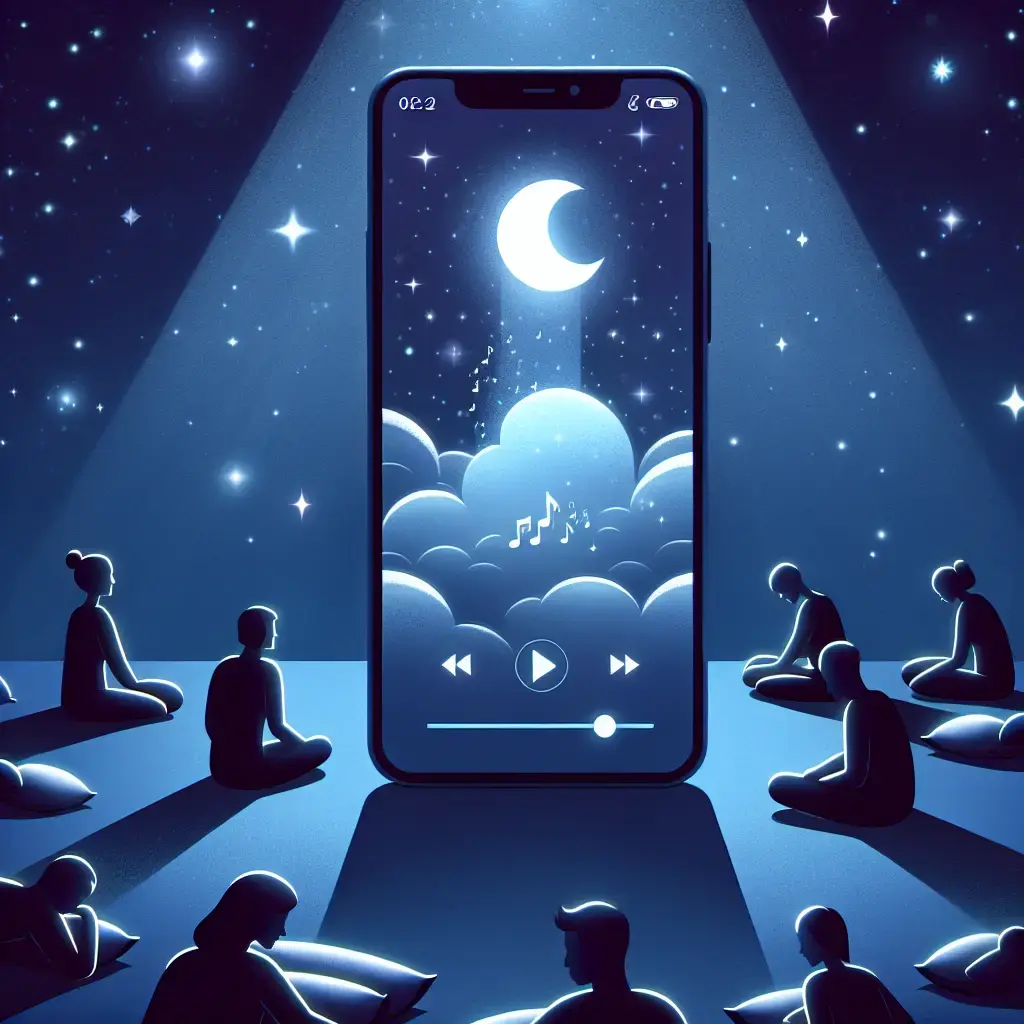
In today's fast-paced world, achieving a restful night's sleep can often seem elusive. Fortunately, the advent of digital mindfulness tools for sleep has brought a new wave of solutions to the forefront. Mindfulness apps for sleep are becoming increasingly popular among those seeking tranquility and rest through technology and meditation for improved sleep. These app-based mindfulness platforms combine the ancient practice of meditation with modern technology, offering users a unique opportunity to improve sleep quality with mindfulness right from their smartphones.
The best mindfulness apps for sleep are designed to cater to various needs, whether it's calming a racing mind before bed or enhancing the overall sleep experience. By integrating media with mindfulness for sleep, these applications offer a range of features—from guided meditations to calming soundscapes—making them some of the top meditation apps for sleep improvement. With the benefits of meditation apps for sleep now more accessible than ever, individuals can find solace in knowing that restful nights are within reach.
The effectiveness of mindfulness meditation apps for sleep lies in their ability to create a serene environment conducive to relaxation, helping users navigate their way to deeper, more restorative slumber. Reviews often highlight the best app features for mindfulness and sleep, showcasing how these digital solutions can significantly enhance one's nightly rest.
As we explore the role of digital solutions for sleep improvement, understanding how mindfulness apps improve sleep becomes imperative. This journey into the world of meditation technology for restful nights promises to reveal insights into how using apps for mindfulness and sleep can transform bedtime routines, leading to improved overall well-being.
In the ever-evolving landscape of technology and wellness, mindfulness apps for sleep have emerged as transformative tools, bridging ancient meditation practices with modern digital solutions to enhance sleep quality. As highlighted in recent analyses, such as those from Fortune's article "Sleep 101: Tips and Habits for Getting a Good Night's Rest and Boosting Your Health" by Alexa Mikhail, the role of mindfulness meditation in improving sleep is receiving considerable attention. These apps provide a sanctuary for users seeking to calm their minds, reduce stress, and foster a conducive environment for restorative sleep.
Mindfulness Apps for Improving Sleep Quality
The increasing demand for meditation apps for better sleep is not coincidental. With the digital age imposing constant connectivity, the human brain often struggles to disconnect from daily stressors, leading to compromised sleep quality. Mindfulness apps have stepped into this gap, offering guided meditations, breathing exercises, and calming soundscapes designed to lull users into restful slumber.
Recent updates in the field emphasize the integration of technology and meditation for improved sleep. For instance, apps like Headspace and Calm are continuously updating their features to incorporate evidence-based practices that cater to the unique needs of their users. These platforms not only offer traditional meditation sessions but also leverage AI and machine learning to personalize user experiences, ensuring that individuals receive the most suitable content based on their sleep patterns and preferences.
When exploring how mindfulness apps improve sleep, it's crucial to look at the specific features that have proven effective:
Guided Meditations: These sessions often focus on relaxation techniques, such as progressive muscle relaxation or mindful breathing, which are scientifically backed to help reduce anxiety and prepare the mind for sleep.
Sleep Stories: Narrated by soothing voices, these stories can distract a racing mind and facilitate a smoother transition into sleep.
Key Features Enhancing Sleep Quality
Soundscapes and White Noise: Incorporating natural sounds or ambient noise has been shown to mask disruptive sounds in the environment, promoting deeper and uninterrupted sleep.
Research from various case studies has demonstrated significant improvements in sleep parameters among users of mindfulness meditation apps for sleep. A notable study published in the Journal of Sleep Research (2023) analyzed data from over 10,000 participants using app-based mindfulness for sleep quality. The study found that consistent use led to:
A reduction in sleep onset latency by 30%
Improved sleep efficiency by 25%
A decrease in nighttime awakenings by 20%
These findings underscore the potential of digital mindfulness tools for sleep as a viable alternative or complement to traditional sleep aids.
An emerging trend is the integration of media with mindfulness for better sleep. This involves combining visual elements with auditory components to create immersive experiences that further enhance relaxation. Recent developments in virtual reality (VR) have opened new avenues for delivering such experiences, providing users with a multi-sensory approach to unwind before bed.
Integrating Media with Mindfulness for Sleep
For example, the app "Tripp" utilizes VR technology to immerse users in tranquil environments paired with guided meditation, offering an innovative approach to meditation technology for restful nights. This fusion of media and mindfulness is gaining traction as one of the top meditation apps for sleep improvement, particularly among tech-savvy individuals seeking novel methods to manage stress and improve sleep quality.
User reviews often reflect the best app features for mindfulness and sleep, revealing personal stories of transformation. As documented in community forums and review sites like Trustpilot and App Store reviews, many users report enhanced emotional regulation, increased resilience to daily stressors, and notably better sleep patterns after integrating these apps into their nightly routine.
For instance, one user shared their experience with Calm's "Daily Calm" feature, noting that the structured daily meditations helped them create a bedtime ritual that significantly improved their overall well-being. Such testimonials provide tangible evidence of how using apps for mindfulness and sleep can lead to profound changes in one's life.
As we look towards the future, the potential for digital solutions for sleep improvement seems boundless. Continued advancements in technology promise more personalized and effective ways to leverage mindfulness for enhancing sleep. Companies are exploring biofeedback mechanisms to provide real-time insights into users' physiological states, further tailoring meditation practices to individual needs.
In summary, the journey into using meditation apps for better sleep reflects a broader trend of integrating mindfulness into our daily lives through accessible digital means. As technology continues to evolve, so too will the opportunities to harness its power for fostering better sleep health—an endeavor that promises not only improved nightly rest but also enhanced overall quality of life.
In conclusion, the intersection of mindfulness and technology is revolutionizing sleep quality, offering modern solutions to age-old challenges. Mindfulness apps such as Headspace and Calm are paving the way by integrating evidence-based practices with cutting-edge technology, providing a personalized experience that caters to individual sleep needs. Key features like guided meditations, sleep stories, and soundscapes are proving effective in reducing stress and enhancing relaxation:
Guided Meditations: Focused on relaxation techniques to ease anxiety and prepare for sleep.
Sleep Stories: Narratives that help distract a racing mind and facilitate sleep transition.
Soundscapes and White Noise: Natural sounds that promote deeper, uninterrupted sleep.
Research has shown significant improvements in sleep parameters among app users, highlighting digital mindfulness tools as valuable alternatives or complements to traditional sleep aids. Furthermore, the integration of media, such as VR technology in apps like Tripp, presents innovative ways to create immersive, relaxing pre-sleep environments.
As we embrace these advancements, the future promises more tailored solutions for sleep improvement through biofeedback and other technologies. This evolution not only aims to enhance nightly rest but also overall well-being.
We invite you to explore these digital tools and share your experiences or thoughts on how mindfulness apps have impacted your sleep journey. Your insights could inspire others on their path to better sleep health.
Wishing you restful nights and mindful days.


Leave a Comment